
Prepare for the Energy Price Increase

Updated: 30 September 2026
After a scorching summer where most of us were thinking of ways to keep cool, the arrival of autumn means that our thoughts are turning to when we might be switching on the heating. Changes to energy prices are imminent so paying a bit of attention now can help to save you money.
The energy price cap is rising by 3.6% from 1st October 2026, with a further and much larger rise predicted for January 2027. Estimates are currently at over 20% and, although that can still change, it is very likely that the increase will be a noticeable one. This will affect households who are on variable tariffs i.e. not currently on a fixed deal so, if that is you, it is worth understanding what steps you can take now to help keep your bills as manageable as possible when the colder months return.
Energy schemes
The Warm Home Discount scheme provides a one-off discount on electricity bills for eligible households during the winter months. It is usually targeted at people on low incomes or those receiving certain means-tested benefits. If you think you might qualify, it is worth checking early in the year since payments are usually made automatically for some people while others may need to apply through their supplier. You can find more information about the scheme on Gov.uk.
If your household includes a pensioner, you are likely to be eligible for the Winter Fuel Payment. The payments are automatic so you should not have to do anything to claim and you will get either £200 per household, or £300 where there is someone over 80 in the household. For further information, visit Gov.uk
Fixed tariffs
A fixed tariff locks in a unit rate for a set period (for example, 12 or 24 months) so protects you from rising prices. This can give you peace of mind but you will need to consider whether a fixed tariff is right for you. For example, check whether the rate is genuinely cheaper than the price cap over the entire period and consider your usage patterns, since fixed deals suit some households more than others. Also make sure to check the terms before your switch, for example, exit fees in case you may want to leave early. Use a comparison website to check the available options, as the best choice often depends on your circumstances.
Get energy efficient

Positively Connected Kent is a county wide service operating across Kent and Medway to support local people. The service focuses on practical advice such as reducing energy costs, making the most out of your bills and becoming digitally confident, for example, by looking at comparison sites or understanding smart meters and apps. It can also support you to access grants and emergency funding, where needed.
You can get support face-to-face or over the telephone, and the area you live in will determine which of the partner organisations you are helped by - either Involve, Groundwork, Medway Voluntary Action or Social Enterprise Kent. To find out more or to refer yourself please visit Positively Connected Kent.
Know your rights on prepayment meters
There has recently been some coverage in the national news about prepayment meters that were installed without proper permission a few years ago. If this happened to you, you may be eligible for compensation. Ofgem has said that affected customers should be contacted by their supplier so you should not need to take any action. Compensation varies depending on what happened and some customers may also have energy debt written off. If you think you were affected but have not been contacted, you should get in touch with the energy company that you were with at the time of the meter being installed.
Practical advice
Making small changes to your energy use can add up over time and help to bring down the cost of your bills. Here are some suggestions:
Use heating controls effectively
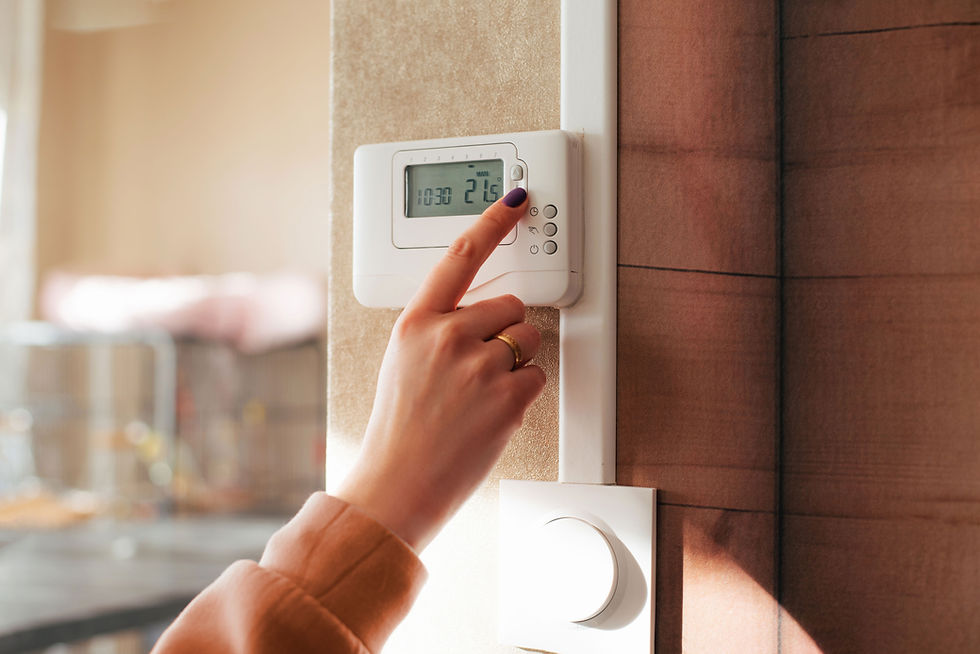
Timers and thermostatic radiator valves help you heat only the rooms you need, when you need them.
Reduce standby usage
Turning appliances off at the plug can save money over time.
Improve insulation where possible
Draught excluders, radiator reflectors, and lined curtains are inexpensive and are useful for keeping heat in.
Take advantage of government schemes
Schemes such as the Energy Company Obligation (ECO) may provide funding for insulation or heating improvements, especially for low-income or vulnerable households.
Get on your supplier’s Priority Services Register
If you have a disability, long-term illness, or rely on electricity for medical equipment, joining this register can make sure you get extra support during power cuts and access to tailored services.
Even though energy prices can feel like a winter problem, the best time to prepare is now. If you are not sure where to start, focus on just one thing such as speaking to your energy supplier or booking a Green Doctor visit.
There are some great resources available with more information that you can have a look at if you would like to minimise your energy costs:


Comments